Mt. Kurama offers enriching guided tours, exploring its sacred significance and historical Kurama-dera Temple. These tours cater to diverse interests, from cultural immersion to scenic hikes.
Overview of Mt. Kurama’s Significance
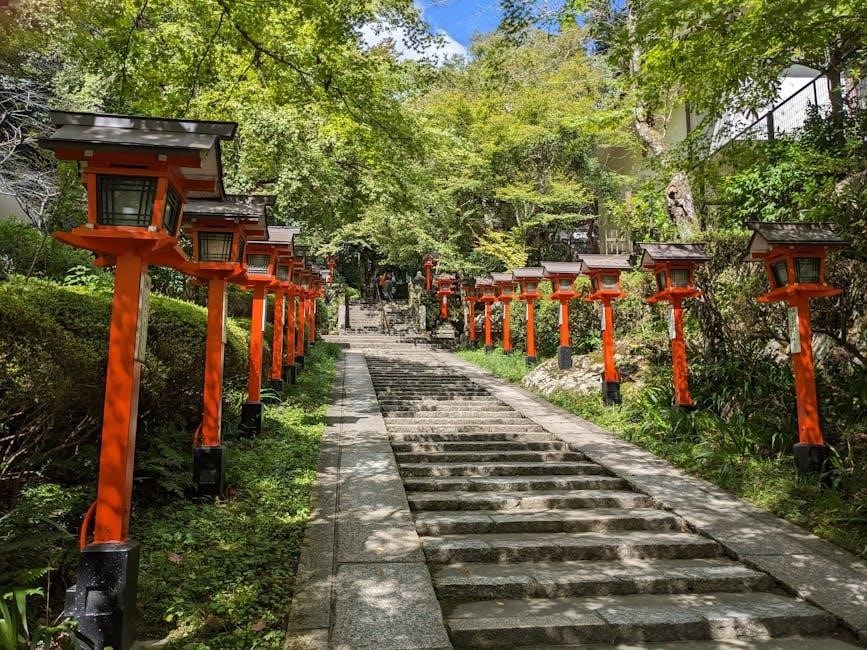
Mt. Kurama holds profound spiritual importance in Japanese history and mythology, deeply intertwined with Shugendō, a syncretic religion blending Shinto and Buddhism. It’s revered as the birthplace of Reiki, a healing practice, and is intrinsically linked to the legendary figure of Tengu, powerful mountain spirits often depicted with bird-like features.
For centuries, pilgrims have ascended Mt. Kurama seeking enlightenment and spiritual renewal. The mountain’s dense forests and serene atmosphere contribute to its sacred ambiance. Kurama-dera Temple, nestled high on the slopes, is a central focus for devotees and visitors alike, representing a tangible connection to ancient beliefs and practices. Guided tours illuminate these historical and spiritual layers, offering insights into the mountain’s enduring legacy.
Why Choose a Guided Tour?
Mt. Kurama, steeped in history and spirituality, benefits greatly from a guided tour experience. Navigating the mountain trails and understanding the cultural nuances can be challenging independently. A knowledgeable guide provides invaluable context regarding the significance of Kurama-dera Temple, the legends of Tengu, and the principles of Shugendō.
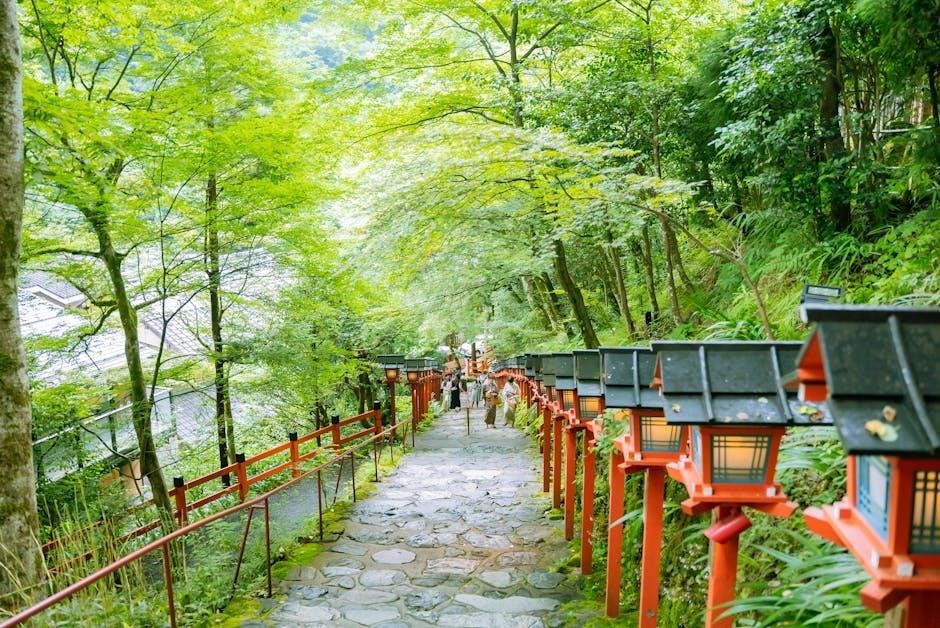
Furthermore, guided tours enhance logistical ease, handling transportation and ensuring efficient exploration of key sites. They offer deeper engagement with the mountain’s essence, revealing hidden gems and providing insights inaccessible to solo travelers. Benefit from local expertise, enriching your journey and fostering a more meaningful connection with this sacred destination. A tour unlocks the full potential of your Mt. Kurama visit.
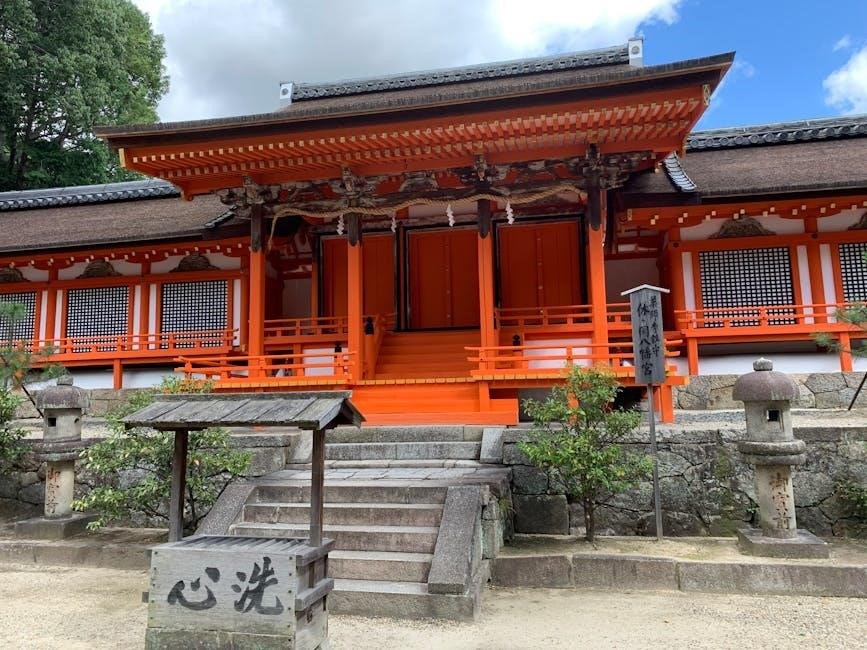
Types of Mt. Kurama Guided Tours Available
Mt. Kurama tours range from temple-focused explorations to challenging hikes and combined Kurama & Kibune experiences, catering to varied preferences and fitness levels.
Standard Kurama-dera Temple Tour
The Standard Kurama-dera Temple Tour provides a foundational experience for first-time visitors. Typically lasting around 2-3 hours, this tour focuses on the historical and spiritual heart of Mt. Kurama – Kurama-dera Temple. A knowledgeable guide will lead you through the temple grounds, explaining the legends of Tengu (mountain goblins) deeply intertwined with the mountain’s lore.
You’ll explore key areas like the main hall, offering insights into Buddhist practices and the temple’s architectural significance. The tour often includes a visit to the three-storied pagoda and other sacred spaces. Expect a moderate amount of walking, primarily uphill, but manageable for most fitness levels. This tour is ideal for those seeking a cultural immersion and a deeper understanding of Mt. Kurama’s religious heritage, without the intensity of a full mountain hike.
Hiking Tours to Kurama-dera
Hiking Tours to Kurama-dera offer a more immersive and physically challenging experience. These tours typically take 4-6 hours, ascending the mountain trails to reach the temple. Unlike the standard tour, the focus shifts to the journey itself, appreciating the natural beauty of Mt. Kurama’s forested slopes and serene atmosphere.
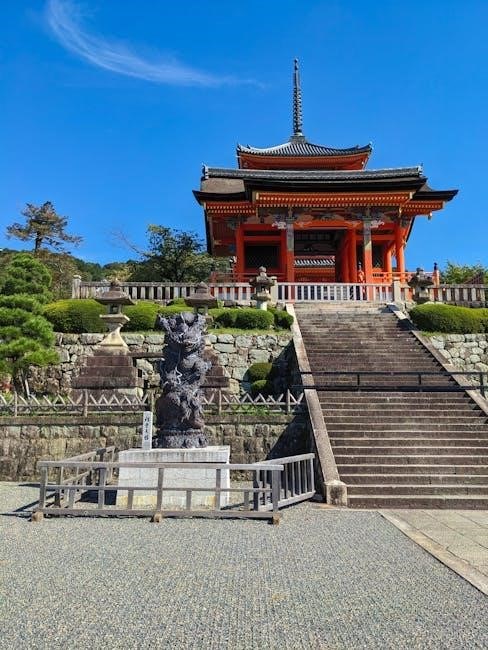
Guides will point out significant flora and fauna, share local folklore, and provide insights into the mountain’s geological history. The ascent involves steep inclines and uneven terrain, requiring a good level of fitness. Expect to encounter various shrines and viewpoints along the way. These tours are perfect for nature enthusiasts and those seeking a more active exploration of Mt. Kurama, culminating in a rewarding visit to the temple.
Combined Kurama & Kibune Tours
Combined Kurama & Kibune Tours provide a comprehensive experience, linking two of Kyoto’s most enchanting destinations. These tours typically begin with a visit to Kurama-dera Temple, followed by a scenic descent towards Kibune, a charming village nestled along the Kibune River.
Kibune is renowned for its kawadoko – platforms built over the river, offering a unique dining experience during the warmer months. Guides will lead you through the picturesque streets of Kibune, highlighting its traditional architecture and serene atmosphere. These tours often include a delicious lunch at a kawadoko restaurant, allowing you to savor local cuisine while enjoying the riverside views. It’s a perfect option for those wanting to maximize their time and explore both natural and cultural highlights.
What to Expect on a Mt. Kurama Guided Tour
Guided tours involve a moderate climb to Kurama-dera Temple, insightful commentary on the area’s history, and exploration of key spiritual sites along the path.
Meeting Point and Logistics
Most Mt. Kurama guided tours commence at Kurama Station, easily accessible via the Eizan Railway from Demachiyanagi Station in Kyoto. Upon arrival, your guide will typically meet you directly outside the station gates, identifiable by a specific sign or wearing a designated uniform.
Confirm the exact meeting details with your tour operator beforehand. Logistics generally include transportation to the trailhead, if necessary, and assistance with purchasing any required entrance tickets. Be prepared for a relatively short walk from the station to the base of the mountain where the ascent begins.
It’s advisable to arrive at the meeting point at least 15-20 minutes prior to the scheduled departure time to allow for introductions and a brief orientation before embarking on your Mt. Kurama adventure.
The Ascent to Kurama-dera Temple
The climb to Kurama-dera Temple is a central element of most guided tours, offering a blend of natural beauty and spiritual significance. The path winds upwards through a lush, forested mountainside, gradually increasing in elevation. Expect a moderate level of physical exertion, with some steep sections and uneven terrain.
Your guide will pace the ascent to accommodate the group, providing insights into the mountain’s history, folklore, and the religious importance of the temple. Along the way, you’ll encounter various statues, shrines, and resting points.
The entire ascent typically takes between 1.5 to 2.5 hours, depending on your fitness level and the chosen route. Comfortable footwear is essential for a safe and enjoyable climb to Kurama-dera.
Key Sites Visited During the Tour
Guided tours of Mt. Kurama typically showcase several key sites, beginning with the iconic Kurama-dera Temple itself. Visitors explore the main hall, dedicated to the deity Bishamonten, and other temple buildings steeped in history and religious significance.
The tours often include a visit to Kibune Shrine, known for its picturesque setting along the Kibune River and its association with water deities. Another highlight is the Ōno no Imisato, a cave believed to be where the tengu, mythical creatures, reside.
Guides will explain the stories and legends connected to each location, enriching your understanding of Mt. Kurama’s cultural and spiritual heritage. Expect to encounter numerous statues, offering points, and scenic viewpoints throughout the journey.
Essential Information for Tour Participants
Mt. Kurama tours require comfortable walking shoes, appropriate clothing for varied weather, and a moderate level of fitness for the ascent.
What to Wear and Bring
For a comfortable Mt. Kurama experience, prioritize layered clothing. The mountain’s weather can shift unexpectedly, so adaptability is key. Sturdy, closed-toe walking shoes are essential, as the paths can be uneven and steep. Consider waterproof footwear if rain is anticipated.
Bring a small backpack to carry essentials like water – staying hydrated is crucial – and snacks for energy. A hat and sunscreen are recommended, even on cloudy days, to protect against the sun. Insect repellent can be helpful, particularly during warmer months.
A light rain jacket or poncho is a wise addition, and a small towel can be useful. Don’t forget your camera to capture the stunning scenery! Finally, carrying some cash is advisable for small purchases or offerings at the temple.
Physical Fitness Requirements
Mt. Kurama guided tours involve a moderate level of physical exertion; The ascent to Kurama-dera Temple requires navigating a winding mountain path with numerous steps – approximately 700 steps, in fact! A reasonable level of fitness is therefore recommended to fully enjoy the experience.
Participants should be able to walk uphill for an extended period, and possess good balance and coordination. While the pace is generally moderate, some sections can be challenging. Individuals with pre-existing health conditions, such as heart problems or mobility issues, should consult their doctor before participating.
Hiking poles can be beneficial for added stability and reducing strain on the knees. It’s important to listen to your body and take breaks when needed. Tours are not suitable for individuals with severe physical limitations.
Tour Duration and Schedule
Mt. Kurama guided tours typically range from 3 to 6 hours in duration, depending on the chosen tour type and itinerary. Standard Kurama-dera Temple tours are generally shorter, lasting around 3-4 hours, focusing primarily on the temple visit. Hiking tours, incorporating more extensive trails, can extend to 5-6 hours.
Combined Kurama & Kibune tours, including travel time between locations, usually span a full day – approximately 6-8 hours. Tours often depart from Kyoto Station or other central locations in Kyoto city. Schedules vary by operator, with morning departures being most common.
It’s advisable to check the specific tour operator’s website for detailed schedules and availability. Some tours may operate seasonally, with limited availability during inclement weather.
Booking and Pricing Details
Mt. Kurama tour costs vary, averaging ¥6,000 ⎻ ¥15,000 per person. Popular operators include Viator and GetYourGuide; reservations are typically made online.
Popular Tour Operators
Several reputable tour operators specialize in Mt. Kurama experiences, catering to various preferences and budgets. Viator consistently receives high ratings for its diverse range of Kurama and Kibune combination tours, offering convenient booking and often including transportation from Kyoto. GetYourGuide is another prominent platform, providing a selection of guided hikes and temple visits with multilingual options.
Japan Experience focuses on immersive cultural tours, often incorporating traditional practices and local insights into their Mt. Kurama itineraries. Smaller, locally-run operators also exist, offering more personalized experiences, though booking may require more direct communication and potentially Japanese language skills. When selecting an operator, consider factors like group size, included amenities (transportation, lunch), and the guide’s expertise in the region’s history and spirituality.
Average Tour Costs
Mt. Kurama guided tour prices vary significantly based on duration, inclusions, and operator. A standard Kurama-dera Temple tour, typically lasting 3-4 hours, generally ranges from ¥4,000 to ¥8,000 per person. Hiking tours, extending to a full day and including transportation, can cost between ¥8,000 and ¥15,000.
Combined Kurama & Kibune tours, offering a more comprehensive experience, usually fall within the ¥12,000 to ¥20,000 price range. Private tours, providing personalized attention and flexibility, are considerably more expensive, starting around ¥30,000. These costs often include guide fees, entrance tickets, and sometimes transportation from Kyoto. Remember to factor in personal expenses like lunch and souvenirs when budgeting for your Mt. Kurama adventure.
Reservation Procedures
Mt. Kurama guided tour reservations are typically made online through tour operator websites or platforms like Viator and GetYourGuide. Booking in advance, especially during peak seasons (spring and autumn), is highly recommended to secure your spot. Most operators require a valid email address and may request passport details for confirmation.
Some tours allow reservations closer to the date, but availability cannot be guaranteed. Payment is usually processed online via credit card. Cancellation policies vary; carefully review the terms before booking. Direct contact with local tour companies is also possible, often via email or phone, for customized tours or larger groups. Confirm all details, including meeting points and inclusions, upon reservation.
Cultural Considerations & Etiquette
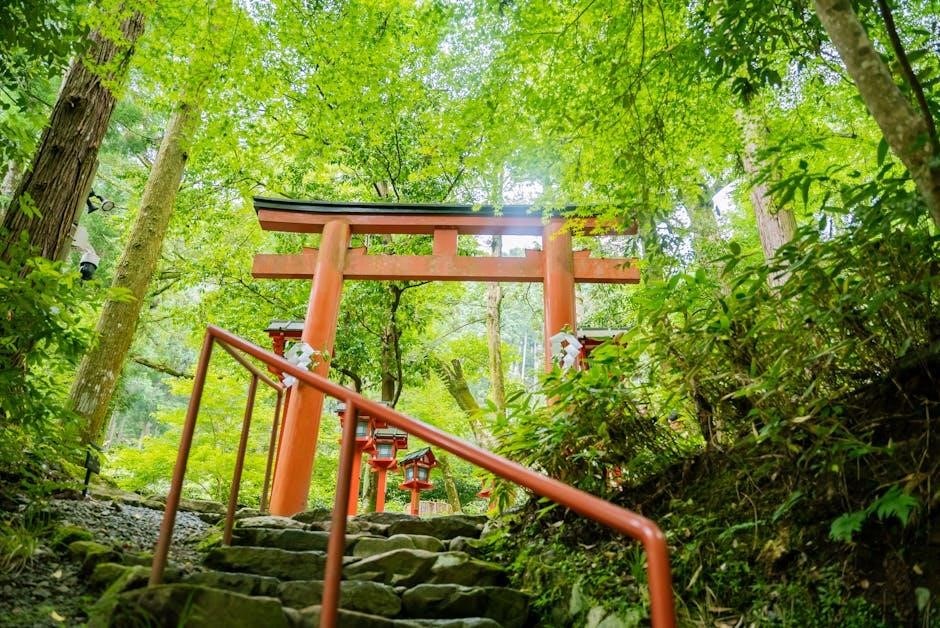
Mt. Kurama is a sacred site; respectful behavior is crucial. Observe temple etiquette, dress modestly, and maintain quiet reverence during visits and ceremonies.
Respecting the Sacred Mountain
Mt. Kurama holds deep spiritual significance in Japanese culture, revered as a power spot and the birthplace of Reiki. Visitors are expected to demonstrate respect for this sacred environment. This includes mindful behavior throughout the ascent and within the temple grounds.
Avoid loud noises or disruptive actions that could disturb the tranquility. Littering is strictly prohibited; please carry out everything you bring in. Be considerate of other pilgrims and maintain a peaceful atmosphere.
The mountain is believed to be inhabited by tengu, mythical creatures, so showing reverence towards the natural surroundings is particularly important. Approach the mountain with a sense of humility and appreciation for its spiritual energy. Remember that Mt. Kurama is not merely a scenic destination, but a place of profound religious importance.
Temple Etiquette Guidelines
When visiting Kurama-dera Temple, observing proper etiquette is crucial. Before entering the main hall, purify yourself at the temizuya (water basin) by rinsing your hands and mouth – do not drink the water. Remove hats and sunglasses inside the temple buildings.
Photography may be restricted in certain areas; always check for signage. Maintain a quiet and respectful demeanor. Avoid pointing or making loud noises. When offering a donation, it’s customary to toss a coin into the offering box.
Sitting on the tatami mats is generally acceptable, but avoid stepping directly onto them. Be mindful of monks and other worshippers. Demonstrating reverence and respect for the temple’s sacred atmosphere will enhance your experience and show consideration for Japanese customs.