Church Security Team Manual: A Comprehensive Plan
This manual provides strategies for enhancing religious organization security, offering resources like guides, self-assessments, and training materials․ It addresses man-made threats and emphasizes visitor awareness, surveillance, and emergency preparedness for congregant safety․
The increasing need for robust church security stems from the unfortunate reality that places of worship, traditionally seen as sanctuaries, are not immune to the threats facing broader society․ Religious organizations – churches, mosques, synagogues, and temples – are vital community hubs, making them potential targets․ This introduction outlines the critical importance of proactive security measures to safeguard congregants, staff, and property․
A comprehensive church security plan isn’t about fostering fear, but about responsible stewardship and demonstrating love through preparedness․ It’s about creating a safe environment where individuals can freely practice their faith without undue worry․ This manual serves as a foundational guide, offering strategies and best practices gleaned from various resources, including those focused on man-made threats like active shooters, bombings, and vehicle ramming incidents․
Effective security integrates physical measures – such as surveillance systems and access control – with procedural protocols, including emergency response plans and communication strategies․ Equally vital is a well-trained security team, equipped with de-escalation techniques and a clear understanding of legal considerations․ This manual aims to empower churches to develop and implement a security plan tailored to their specific needs and vulnerabilities, fostering a secure and welcoming atmosphere for all․
II․ Risk Assessment & Vulnerability Analysis
A foundational step in developing a robust church security plan is a thorough risk assessment and vulnerability analysis․ This process involves systematically identifying potential threats and weaknesses within the church’s facilities and operations․ It’s not simply about anticipating worst-case scenarios, but about realistically evaluating the likelihood and potential impact of various risks․
The assessment should encompass both external and internal factors․ External threats include criminal activity in the surrounding area, potential for targeted attacks, and natural disasters․ Internal vulnerabilities might involve inadequate lighting, unsecured access points, insufficient emergency exits, or a lack of trained personnel․ Utilizing a self-assessment tool can provide a structured framework for this evaluation․
Consider all aspects of church life – worship services, weekday activities, youth programs, and administrative functions․ Analyze visitor flow, identify critical infrastructure, and assess the effectiveness of existing security measures․ This analysis should be documented, regularly reviewed, and updated to reflect changing circumstances․ The goal is to proactively identify and address vulnerabilities before they can be exploited, enhancing the overall security posture of the church․
III․ Identifying Potential Threats
Effective church security necessitates a comprehensive understanding of potential threats․ These extend beyond the commonly discussed “active shooter” scenario and require a broad perspective․ Man-made threats, as highlighted in security resources, encompass bombings, vehicle rammings, and other forms of targeted violence․ Analyzing past incidents at similar organizations can provide valuable insights․
However, threats aren’t always malicious․ Natural disasters, such as severe weather events, pose significant risks․ Internal threats, including accidental fires or medical emergencies, also demand consideration․ A thorough assessment must also account for vulnerabilities related to property crime, vandalism, and theft․
Furthermore, the increasing prevalence of cybersecurity threats cannot be ignored․ Churches often handle sensitive personal and financial information, making them attractive targets for cyberattacks․ Identifying these diverse threats allows for the development of targeted security measures and appropriate response protocols․ Regularly reviewing and updating this threat assessment is crucial, as the risk landscape is constantly evolving․
IV․ Developing a Church Security Policy
A robust church security policy serves as the foundational document guiding all security efforts․ This policy should clearly define the church’s commitment to safety and outline procedures for responding to various threats․ It must be comprehensive, addressing physical security, emergency response, and cybersecurity concerns․
The policy should detail access control procedures, including visitor management protocols – ensuring awareness of who is on church property․ It should also outline guidelines for the use of security cameras and surveillance systems, emphasizing transparency through visible signage․ Emergency evacuation procedures, medical response protocols, and communication strategies must be clearly articulated․
Crucially, the policy needs to align with all relevant legal considerations, ensuring compliance with local laws and regulations․ Regular review and updates are essential to maintain its effectiveness․ The policy should be readily accessible to all staff, volunteers, and security team members, fostering a culture of safety and preparedness within the congregation․ Consistent enforcement is paramount for building trust and ensuring a secure environment․
V․ Legal Considerations for Church Security Teams
Establishing a church security team necessitates careful consideration of legal ramifications․ Teams must operate within the bounds of the law, avoiding actions that could lead to liability․ Understanding local and state regulations regarding security personnel, use of force, and firearms (if applicable) is paramount․
Liability concerns are significant; proper training and clearly defined protocols are crucial to mitigate risk․ Security team members should receive training on legal limitations, proper search procedures (if authorized), and appropriate response to force․ Documentation of all training and procedures is essential for legal defense․
Furthermore, churches must be aware of privacy laws related to surveillance systems and data collection․ Transparency regarding camera usage and data storage is vital․ Consulting with legal counsel specializing in church law and security is highly recommended to ensure the security policy and team operations are legally sound and protect the church from potential lawsuits or legal challenges․ Adherence to these guidelines fosters a safe and legally compliant environment․
VI․ Building a Church Security Team
Forming a dedicated church security team is a proactive step towards safeguarding the congregation and property․ This process begins with gaining leadership buy-in and clearly defining the team’s purpose and scope of authority․ A well-defined mission statement will guide team activities and ensure alignment with the church’s values․
Initial steps involve assessing the church’s specific security needs through a comprehensive risk assessment․ This assessment identifies vulnerabilities and potential threats, informing the team’s structure and resource allocation․ The team’s size should be proportionate to the church’s size, layout, and attendance patterns․
Consider a tiered structure with roles like team leader, communication coordinator, first responders (CPR/First Aid certified), and access control personnel․ Clearly defined roles and responsibilities minimize confusion during emergencies; Establishing a chain of command is also crucial for effective incident management․ Regular meetings and ongoing training are vital for maintaining team readiness and cohesion․

VII․ Recruitment and Screening of Team Members
Recruiting the right individuals is paramount for a successful church security team․ Seek volunteers with diverse skillsets – individuals with backgrounds in law enforcement, military service, medical training, or emergency management are valuable assets․ However, a willingness to serve and a commitment to safety are equally important qualities․
A thorough screening process is essential to ensure the safety and trustworthiness of team members․ This should include a comprehensive background check, verifying criminal history and any relevant legal restrictions․ Character references from trusted sources within the church community provide additional insight․
Consider psychological evaluations to assess suitability for handling stressful situations and making sound judgments under pressure․ Interviews should focus on assessing maturity, emotional stability, and the ability to maintain confidentiality․ Clearly communicate expectations regarding commitment, training requirements, and adherence to the church’s security policies․ Document all screening procedures meticulously for legal and accountability purposes․
VIII․ Training for Church Security Teams
Comprehensive training is the cornerstone of an effective church security team․ Initial training should cover fundamental security principles, emergency response procedures, and the church’s specific security policies․ This includes detailed instruction on evacuation plans, medical emergency protocols, and communication systems․
Regular drills and exercises are crucial for reinforcing training and identifying areas for improvement․ Conduct simulated scenarios, such as active shooter drills and fire evacuations, to prepare team members for real-world events․ Focus on practical skills, including first aid/CPR, de-escalation techniques, and proper use of security equipment․
Ongoing professional development is essential to keep the team updated on the latest security threats and best practices․ Consider partnering with local law enforcement agencies or security professionals to provide specialized training․ Documentation of all training activities, including attendance records and skill assessments, is vital for accountability and legal compliance․ Prioritize training that addresses man-made threats like bombings or vehicle rammings․
IX․ Active Shooter Response Training
Active shooter training is a critical component of church security preparedness, equipping teams to respond effectively to a worst-case scenario․ Training should emphasize the “Run, Hide, Fight” methodology – prioritizing evacuation when possible, securing a hiding place if escape isn’t viable, and as a last resort, confronting the shooter․
Realistic scenario-based exercises are essential for building muscle memory and decision-making skills under pressure․ These drills should simulate various active shooter situations, including different entry points and potential targets within the church facility․ Focus on rapid response, clear communication, and coordinated teamwork․
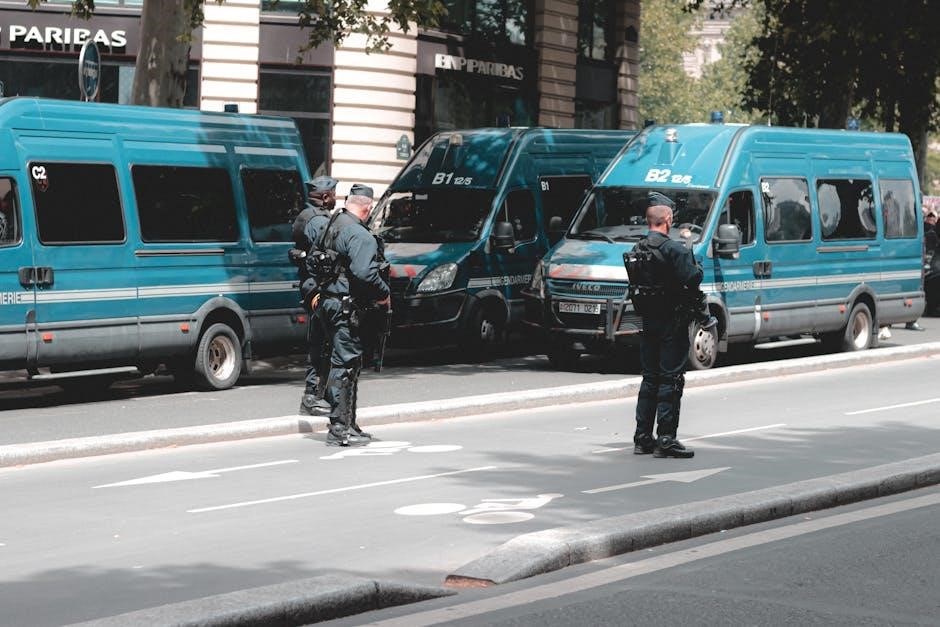
Training must also address post-incident procedures, including securing the scene, providing first aid to the injured, and cooperating with law enforcement․ Psychological preparedness is equally important; team members should understand the emotional toll of such an event and have access to support resources․ Regularly review and update training protocols based on lessons learned and evolving best practices, acknowledging the gravity of man-made threats․
X․ De-escalation Techniques & Conflict Management
Effective de-escalation is paramount for church security teams, often preventing situations from escalating into violence․ Training should focus on verbal and non-verbal communication skills, emphasizing active listening, empathy, and a calm demeanor․ Team members must learn to recognize early warning signs of escalating conflict and intervene appropriately․
Conflict management strategies should include techniques for setting boundaries, redirecting conversations, and offering alternative solutions; Understanding body language and cultural sensitivities is crucial for building rapport and diffusing tension․ Avoid confrontational language or actions that could exacerbate the situation․
Training should also cover how to handle individuals experiencing mental health crises or emotional distress․ Knowing when to involve professional help, such as mental health professionals or law enforcement, is vital․ Prioritize safety – both for the individual in crisis and for the security team – while striving to resolve conflicts peacefully and maintain a welcoming environment for all congregants, acknowledging potential man-made threats․

XI․ Physical Security Measures
Implementing robust physical security is a foundational element of a comprehensive church security plan․ This begins with a thorough assessment of the building’s vulnerabilities, including doors, windows, and access points․ Strengthening these areas with reinforced doors, secure locks, and shatter-resistant glass can deter unauthorized entry․
Strategic placement of security cameras, coupled with clear signage indicating their presence, serves as both a deterrent and a valuable investigative tool․ Surveillance systems should cover critical areas like entrances, exits, hallways, and parking lots․ Proper lighting, both inside and outside the building, enhances visibility and reduces blind spots․
Controlling access to sensitive areas, such as children’s ministry spaces and financial offices, is essential․ Implementing a visitor management system, including sign-in procedures and background checks for volunteers, adds an extra layer of security․ Regularly inspect and maintain all security equipment to ensure its functionality, addressing potential man-made threats proactively․
XII․ Security Cameras & Surveillance Systems
Effective surveillance systems are crucial for deterring criminal activity and providing valuable evidence in the event of an incident․ When selecting cameras, consider factors like resolution, field of view, and low-light performance․ A mix of fixed and pan-tilt-zoom (PTZ) cameras offers comprehensive coverage․
Strategic placement is paramount; focus on entrances, exits, hallways, parking areas, and areas with high foot traffic․ Ensure cameras are positioned to avoid blind spots and capture clear facial images․ Visible signage indicating camera surveillance acts as a deterrent and complies with legal requirements․
Digital video recorders (DVRs) or network video recorders (NVRs) should be securely stored and protected from tampering․ Implement a retention policy for recorded footage, balancing security needs with privacy concerns․ Regularly review footage for suspicious activity and maintain the system to ensure optimal performance․ Purchasing quality cameras and displaying visible signage is a proactive step․
XIII․ Access Control & Visitor Management
Implementing robust access control measures is vital for safeguarding the church and its occupants․ This includes controlling access to sensitive areas like offices, nurseries, and server rooms․ Consider utilizing keycard systems, electronic locks, or a sign-in procedure for authorized personnel․
Effective visitor management is equally important․ A welcoming, yet secure, process should be established․ This involves requiring visitors to sign in, providing identification, and issuing visitor badges; Ensure greeters are trained to identify and report suspicious behavior․ Awareness of visitor presence is key․

Regularly review and update access lists, promptly revoking access for former employees or volunteers․ Conduct background checks on individuals with regular access to children or vulnerable populations; The “Power of Hello” from CISA emphasizes the importance of acknowledging and interacting with visitors, fostering a sense of community and security․ A well-managed system minimizes unauthorized access and enhances overall safety․
XIV․ Emergency Response Planning
A comprehensive emergency response plan is paramount for effectively managing crises․ This plan should outline procedures for various scenarios, including fire, medical emergencies, active shooter situations, and natural disasters․ Regular drills are crucial to ensure familiarity and efficiency among the security team and congregation․
Evacuation procedures must be clearly defined, with designated escape routes and assembly points․ Consider individuals with disabilities and ensure accessible evacuation options are available․ Medical emergency response protocols should include trained personnel in first aid and CPR, along with readily accessible first aid kits․
The plan should detail communication protocols, both internal and external, including procedures for contacting emergency services․ A designated point person should be responsible for coordinating with law enforcement․ Prioritize a proactive approach, regularly reviewing and updating the plan based on evolving threats and vulnerabilities․ A well-rehearsed plan minimizes chaos and maximizes safety during critical incidents․
XV․ Evacuation Procedures & Drills
Clearly defined evacuation procedures are essential, detailing primary and secondary escape routes from all areas of the facility․ Maps displaying these routes should be prominently posted, and regularly reviewed with congregants․ Accessibility for individuals with disabilities must be a key consideration, ensuring designated assistance and accessible evacuation points are available․
Regular drills – unannounced and announced – are vital for testing the effectiveness of the plan and familiarizing everyone with procedures․ Drills should simulate various scenarios, including blocked exits and different times of day․ Post-drill debriefings are crucial for identifying areas for improvement and refining the evacuation plan․
Designated wardens or ushers should be assigned to assist with evacuation, ensuring everyone is accounted for at the designated assembly point․ Communication during an evacuation is critical; utilize pre-determined signals or a PA system․ Prioritize a calm and orderly evacuation to prevent panic and ensure everyone’s safety․
XVI․ Medical Emergency Response
A comprehensive medical emergency response plan is crucial, outlining procedures for handling various situations – from minor injuries to life-threatening events․ Identify and train individuals in First Aid, CPR, and AED usage, ensuring certifications are current․ AEDs should be strategically located throughout the facility, clearly marked, and regularly inspected․
Establish a clear communication protocol for contacting emergency medical services (EMS), including designated callers and a pre-determined meeting point for EMS personnel․ Maintain a well-stocked first aid kit, readily accessible to trained personnel․ Consider potential medical vulnerabilities within the congregation, such as allergies or pre-existing conditions, while respecting privacy․
Develop procedures for managing crowd control and ensuring access for EMS vehicles․ Train security team members to provide basic medical assistance until professional help arrives․ Regularly review and update the plan based on best practices and local EMS guidelines, prioritizing swift and effective response to medical emergencies․
XVII․ Communication Protocols
Effective communication is paramount during any security incident․ Establish clear, concise protocols for internal communication within the security team and with church leadership․ Utilize a multi-faceted approach, incorporating two-way radios, mobile phones, and potentially a dedicated communication app for real-time updates․

Designate a central point of contact for all security-related communications, preventing confusion and ensuring information flow․ Develop pre-scripted messages for common scenarios, such as medical emergencies or potential threats, to expedite communication․ Regularly test communication systems to verify functionality and identify potential weaknesses․
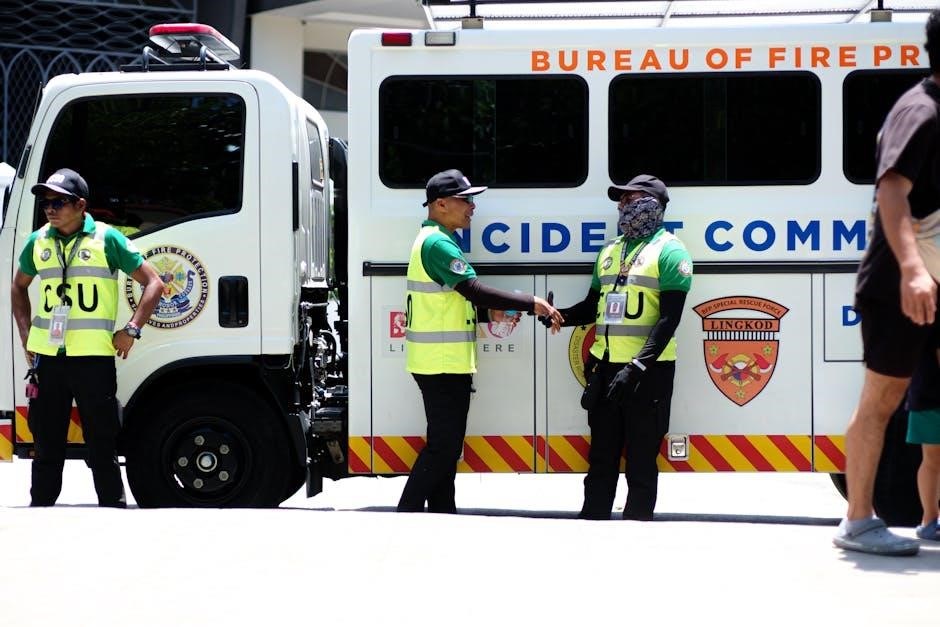
Establish protocols for communication with law enforcement, including designated liaisons and pre-arranged meeting points․ Ensure all team members understand the importance of accurate and timely reporting․ Practice communication procedures during drills and exercises, fostering seamless coordination and a rapid response capability․ Maintaining clear channels is vital for safety․
XVIII․ Internal Communication Systems

Robust internal communication is the cornerstone of a responsive security team․ Implement a system that allows for discreet and immediate contact between team members, church staff, and designated leaders․ Consider utilizing two-way radios with dedicated channels for security operations, ensuring clear and private conversations․
Explore mobile communication apps designed for secure messaging and group alerts, offering features like location sharing and emergency notifications․ Establish a clear protocol for using these systems, including designated roles and responsibilities for message dissemination․ Regularly test the functionality of all communication tools to guarantee reliability during critical incidents․
Develop a communication tree, outlining the chain of command for reporting and escalating security concerns․ Ensure all team members are familiar with this structure and understand their roles within it․ Prioritize clear, concise messaging, avoiding jargon or ambiguous language․ Effective internal systems are crucial for coordinated responses․
XIX․ Communication with Law Enforcement
Establishing a proactive relationship with local law enforcement is paramount for church security․ Designate a primary liaison to build rapport and facilitate ongoing communication with the police department or sheriff’s office․ Share your church’s security plan with law enforcement, including building layouts, potential vulnerabilities, and emergency procedures․
Develop a clear protocol for contacting law enforcement in emergency situations, ensuring team members know when and how to report incidents․ Pre-arrange a meeting point for law enforcement arrival, minimizing confusion and maximizing response efficiency․ Practice scenarios involving law enforcement interaction during drills and training exercises․
Understand local reporting requirements and familiarize yourself with relevant emergency contact numbers․ Maintain open communication channels with law enforcement regarding any suspicious activity or potential threats․ Cooperation with authorities is vital for a swift and effective response, enhancing overall safety and security for the congregation․
XX․ Child and Youth Safety Protocols
Protecting children and youth is a critical component of a comprehensive church security plan․ Implement strict background check procedures for all volunteers and staff working with minors, ensuring a safe environment․ Establish a “buddy system” for children’s programs, requiring at least two adults present during all activities․
Develop clear guidelines for drop-off and pick-up procedures, verifying the identity of authorized guardians․ Train staff and volunteers to recognize and report suspected child abuse or neglect, adhering to mandatory reporting laws․ Create a designated safe space for children who become separated from their guardians or experience distress․
Implement visual monitoring systems in areas frequented by children, while respecting privacy concerns․ Educate children about personal safety boundaries and empower them to report uncomfortable situations․ Regularly review and update child and youth safety protocols, ensuring they align with best practices and legal requirements, fostering a secure and nurturing atmosphere․
XXI․ Cybersecurity for Churches
Churches increasingly rely on digital systems for communication, financial transactions, and data management, making cybersecurity paramount․ Implement strong password policies, requiring complex and regularly updated credentials for all accounts․ Utilize multi-factor authentication whenever possible, adding an extra layer of security․
Regularly back up critical data, storing copies offsite to protect against ransomware and data loss․ Employ reputable antivirus and anti-malware software, keeping it updated to defend against evolving threats․ Educate staff and volunteers about phishing scams and social engineering tactics, fostering a culture of cybersecurity awareness․
Secure the church’s Wi-Fi network with a strong password and encryption, preventing unauthorized access․ Implement firewalls to monitor and control network traffic, blocking malicious activity․ Consider cybersecurity insurance to mitigate financial losses from potential breaches, safeguarding sensitive information and maintaining operational continuity․
XXII․ Post-Incident Procedures & Reporting
Following any security incident, a clear and concise post-incident procedure is crucial․ Immediately secure the affected area, preserving evidence for potential investigations․ Provide support and counseling to those impacted, prioritizing their emotional and physical well-being․
Document the incident thoroughly, recording details such as time, location, individuals involved, and actions taken․ Report the incident to the appropriate authorities, including law enforcement and insurance providers, adhering to legal requirements․ Conduct a comprehensive review of the incident, identifying vulnerabilities and areas for improvement in the security plan․
Update the security plan based on lessons learned, enhancing preventative measures and response protocols․ Communicate relevant information to the congregation, maintaining transparency while protecting sensitive details․ Ensure compliance with all reporting regulations, demonstrating a commitment to safety and accountability, and fostering a secure environment for all․

XXIII․ Maintaining & Updating the Security Plan
A church security plan isn’t a static document; regular maintenance and updates are essential for continued effectiveness․ Annual reviews should assess the plan’s relevance, identifying emerging threats and vulnerabilities․ Conduct periodic drills and exercises to test response protocols and team preparedness, refining procedures based on observed performance․
Stay informed about current security best practices and evolving threats through ongoing training and professional development for security team members․ Incorporate feedback from the congregation and staff, fostering a collaborative approach to security․ Document all changes and updates to the plan, maintaining a clear audit trail․
Ensure the plan aligns with legal requirements and insurance policies, mitigating potential liabilities․ Regularly review and update contact lists for emergency responders and key personnel․ Proactive maintenance and updates demonstrate a commitment to safety, ensuring the church remains a secure and welcoming environment for all․