Sean White’s PDF guide offers a comprehensive overview of solar PV engineering and installation. It covers design fundamentals, electrical and mechanical calculations, safety standards, and exam prep for NABCEP certification. Ideal for professionals seeking practical, in‑depth knowledge for installers.!!
Scope and Target Audience
The Solar PV Engineering and Installation PDF by Sean White is tailored for a broad spectrum of professionals in the photovoltaic industry. Its scope encompasses foundational theory, advanced design calculations, system integration, and regulatory compliance, all framed within the context of the NABCEP PVIP certification pathway. The guide is structured to serve three primary audiences:
- Entry‑level installers and technicians who require a clear, step‑by‑step approach to module mounting, wiring, and safety practices.
- Experienced engineers and project managers seeking concise reference material for system sizing, performance modeling, and cost analysis.
- Certification candidates preparing for the NABCEP PVIP exam, who benefit from exam‑focused chapters, practice questions, and test‑taking strategies.
Each section is written in plain language, supplemented with diagrams, tables, and real‑world examples. By addressing the needs of novices, seasoned professionals, and exam aspirants alike, the PDF serves as a single, authoritative resource for mastering the technical and practical aspects of solar PV deployment.
Readers will also find concise summaries of key industry standards, practical tips, real‑world case studies that illustrate common installation challenges, solutions. This holistic approach ensures that every reader, regardless of prior experience, can confidently design and install reliable PV systems today!!
Author Biography and Publication Context
Sean White, IREC‑Certified Master Trainer, electrician, NABCEP‑PVIP pro, and professor, authored the 2015 Taylor & Francis guide; His 2019 edition expands on design, safety, and exam prep, making it a staple for PV professionals worldwide. and industry.
Sean White’s Credentials and Expertise
Readers will find practical examples, step‑by‑step calculations, and real‑world case studies that illustrate how to apply theory to challenges. The PDF also includes downloadable worksheets, exam flashcards and glossary of key terms to aid study and reference for professionals today
NABCEP PV Installation Professional Exam Overview
The NABCEP PV Installation Professional Exam tests knowledge of design, installation, safety, and code compliance. Sean White’s PDF provides structured study guides, practice questions, and exam strategies to help candidates master the challenging content and achieve certification unlock career opportunities in solar!!
Exam Structure and Exam Preparation Strategies
Sean White’s PDF outlines the NABCEP PVIP exam format: 120 multiple‑choice questions divided into four sections—System Design, Electrical, Mechanical, and Safety/Code. Each section lasts 45 minutes, with a 15‑minute break between. The exam tests practical knowledge, including panel orientation, inverter selection, wiring, and NEC compliance. White recommends a phased study plan: first, review the core curriculum and key concepts; second, use the PDF’s practice questions to identify weak areas; third, simulate timed exams to build stamina; and finally, join study groups or online forums for peer discussion. Additionally, the guide emphasizes the importance of hands‑on experience, suggesting candidates log real‑world installation hours to reinforce theoretical learning. White’s strategy also includes mnemonic devices for complex code provisions and a review checklist to ensure all exam topics are covered before the test day. By following this structured approach, candidates can improve retention, reduce test anxiety, and increase their likelihood of passing the challenging NABCEP PVIP exam. The PDF also offers a detailed review of NEC Article 690, IREC guidelines, and OSHA safety requirements, ensuring candidates understand code nuances. It includes sample wiring diagrams, fault‑analysis scenarios, and a glossary of key terms. White encourages revision, using flashcards, and periodic mock exams to track progress. By integrating theory with hands‑on labs, trainees build confidence and mastery, positioning them for success in the competitive solar installation market!!!!
System Design Fundamentals
Sean White’s PDF explains core PV design: site assessment, load analysis, panel sizing, inverter selection, and shading evaluation. It stresses NEC compliance, IREC guidelines, and economic feasibility, guiding installers toward efficient, code‑compliant systems. It also details grid‑tie and off‑grid optns.
Design Criteria and Site Assessment
In the PDF, Sean White outlines the essential criteria for designing a PV system, starting with a thorough site assessment. The process includes evaluating roof orientation, azimuth, pitch, and available area to maximize solar exposure. He stresses the importance of shading analysis, using tools like PVsyst or Helioscope to identify obstructions such as trees, neighboring buildings, and roof features that could reduce output. The guide also covers the assessment of structural load capacity, ensuring the mounting system can support the weight of panels and racking under wind and seismic loads. Electrical considerations are highlighted, such as determining the peak sun hours for the location, calculating the expected energy yield, and selecting an inverter that matches the DC array size while complying with NEC 625.12 and IREC standards. Additionally, White emphasizes the need for a detailed cost-benefit analysis, incorporating installation labor, permitting fees, and potential incentives or tax credits. The section concludes with best practices for documenting site conditions, including photographic evidence and detailed sketches, to support both design validation and future maintenance planning.
Readers should use these principles in projects to achieve reliable, efficient, sustain energy.
Electrical Design and Calculations
Sean White’s PDF details DC/AC sizing, voltage‑drop formulas, and panel stringing. It explains how to calculate array capacity, select inverters, and apply NEC voltage‑drop limits, ensuring efficient, compliant PV systems. The guide also covers cable sizing now
DC/AC Sizing and Voltage Drop Calculations
Sean White’s PDF guide offers a concise framework for sizing DC and AC components while meeting NEC and NABCEP standards. The process begins by defining the annual energy goal, converting it to a required DC array size using average irradiance and performance ratio. White stresses derating factors—temperature coefficients, module mismatch, inverter efficiency, and system losses—to avoid oversizing the inverter and to match the DC rating to the inverter’s maximum input.
Inverter selection follows: match inverter capacity to the DC rating, considering the DC/AC ratio, string count, and safety margin. The guide lists common inverter models, input voltage ranges, and recommended string configurations, enabling quick equipment choice. It also explains how to calculate the number of strings needed to keep each string’s voltage within the inverter’s input limits.
Voltage‑drop calculations align with NEC 705.12/705.13. White presents the standard equation V = I × R × L, then shows how to find resistance per foot for copper and aluminum conductors, including temperature corrections for 75 °C and 90 °C. A lookup table for conductor sizes is provided. The guide also discusses how conduit fill and temperature derating affect resistance values.
A worked example demonstrates sizing a 10 kW residential system for 120 V AC: calculating cable cross‑section, voltage drop over a 50‑foot run, and final AC rating after drop. The step‑by‑step walk‑through includes current calculations, conductor ampacity checks, and a comparison of drop percentages to NEC limits.

Compliance is emphasized: voltage drop must stay below 5 % on the main feeder and 3 % on branch circuits, per NEC 705.12. Ampacity checks use NEC 310.15(B)(16) tables to confirm conductors can handle the current safely, ensuring code‑compliant, efficient PV installations. Grounding and overcurrent protection are also reviewed to complete the safety package.
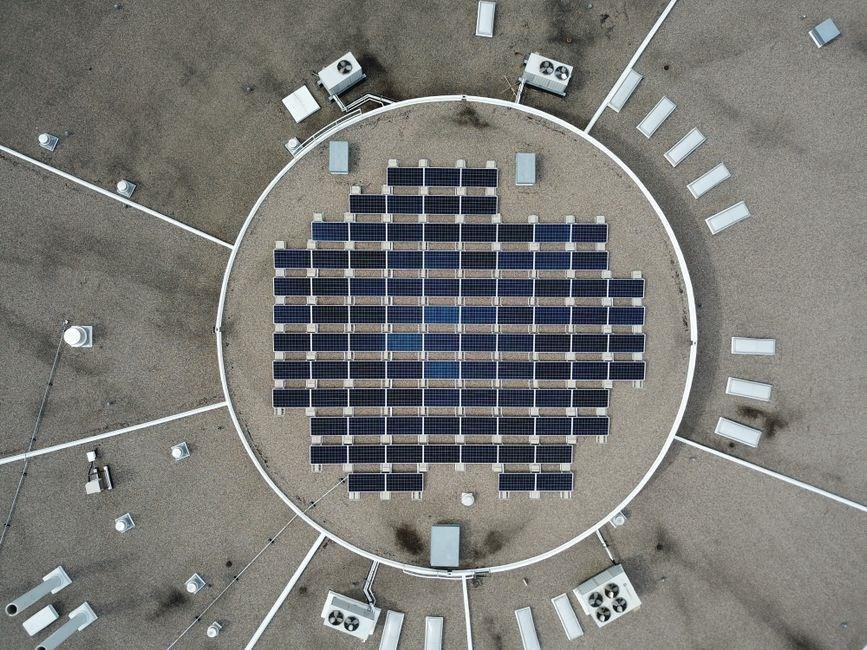
Mechanical Design and Mounting Systems
White’s guide covers racking geometry, load paths, and wind/ice load calculations. It explains selecting aluminum or steel rails, string spacing, and performing finite‑element analysis for structural integrity. References installation included.
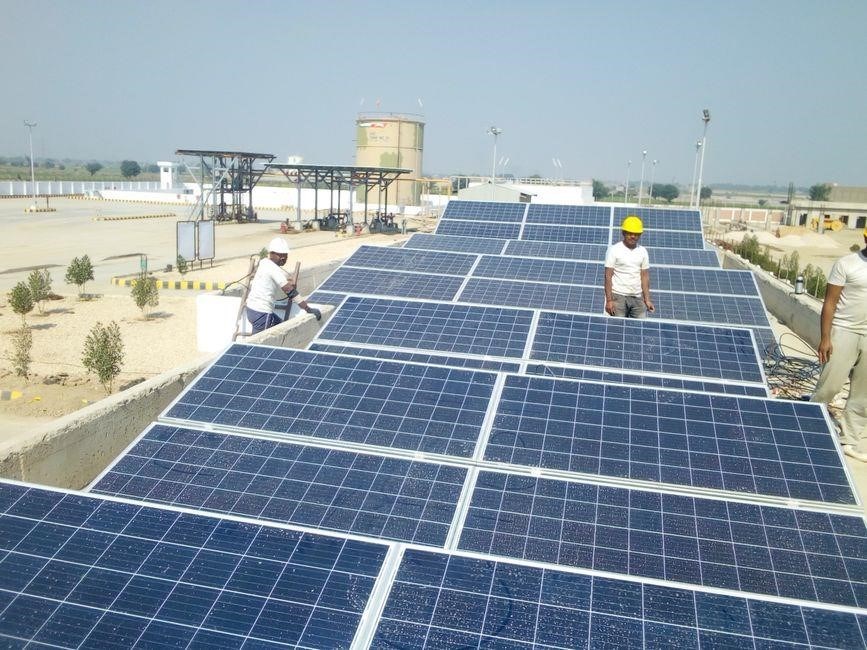
Racking Design and Structural Analysis
Sean White’s PDF delves into racking design fundamentals, emphasizing load calculations, material selection, and mounting geometry. It outlines procedures for determining roof pitch compatibility, wind load distribution, and ice shedding requirements. The guide presents a systematic approach to selecting rail spacing, string length, and mounting hardware to meet local code and manufacturer specifications. It also covers finite‑element analysis tools for complex roof configurations, detailing mesh generation, boundary conditions, and result interpretation. Emphasis is placed on compliance with NEC, IREC, and OSHA guidelines, balancing structural safety and cost efficiency. The section concludes with best practices for field verification, such as torque checks, alignment checks, and documentation of installation tolerances.
Additionally, the PDF discusses corrosion mitigation strategies, recommending stainless‑steel fasteners and protective coatings for coastal installations. Thermal expansion effects are addressed, with guidance on using expansion joints and proper spacing to prevent frame distortion. Maintenance protocols are outlined, highlighting routine inspections for loose bolts, corrosion signs, and the importance of documenting any field modifications in the project log.
White also provides a detailed checklist for pre‑installation site assessment, including roof condition, structural load capacity, and access constraints. The checklist ensures that the racking system is tailored to the specific site, reducing the risk of over‑engineering or under‑engineering. Furthermore, the guide includes a comparison table of common racking systems—fixed‑tilt, single‑axis, and dual‑axis—highlighting their mechanical advantages, installation complexity, and cost implications. By integrating these elements, the section equips readers with a holistic understanding of racking design, enabling them to create safe, compliant, and economically viable PV installations. The analysis section also details how to calculate maximum bending moments and shear forces using standard engineering formulas, and how to verify that the chosen racking frame can withstand these loads with an appropriate safety factor. White provides example calculations for a 5‑kW system, showing the step‑by‑step derivation of required rail strength and mounting bolt size. Readers also learn how to document these calculations in a design report that meets industry audit requirements for safety!

Safety Protocols and Industry Standards
White’s PDF stresses NEC, IREC, and OSHA compliance, detailing lockout/tagout, proper grounding, and arc‑flash boundaries. It outlines PPE requirements, safe ladder use, and voltage‑risk assessments for installers. The guide emphasizes documentation and audit readiness. Follow safety best practices now
NEC, IREC, and OSHA Compliance
Sean White’s PDF guide provides a detailed roadmap for aligning solar PV projects with the National Electrical Code (NEC), the Institute for Renewable Energy Certification (IREC) standards, and Occupational Safety and Health Administration (OSHA) regulations. The text begins by outlining the NEC’s critical provisions—Article 690 for PV systems, grounding and bonding requirements, and the latest updates on permissible overcurrent protection. It then transitions to IREC’s framework, highlighting the importance of proper system sizing, performance verification, and documentation to meet the “PV System Design” and “PV Installation” modules. White emphasizes the need for accurate voltage‑drop calculations, proper conductor sizing, and the use of approved PV modules and inverters that meet UL and IEC standards. OSHA compliance is addressed through a comprehensive checklist that covers lock‑out/tag‑out procedures, fall protection, PPE selection, and safe handling of hazardous materials. The guide also includes real‑world case studies illustrating how failure to meet these standards can result in code violations, insurance penalties, or even catastrophic failures. By integrating NEC, IREC, and OSHA requirements into every phase—from site assessment to final commissioning—White’s PDF equips installers with the knowledge to pass certification exams, avoid costly re‑work, and maintain the highest safety and quality benchmarks in the industry. Readers gain actionable checklists, troubleshooting tips, and real‑world case examples that reinforce compliance optimize system performance.!
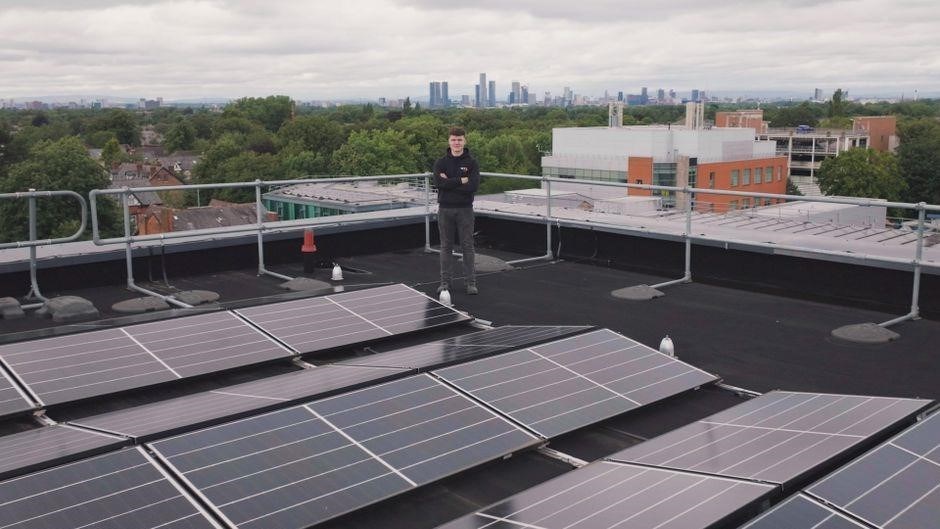
Installation Process and Best Practices
Sean White’s PDF details step‑by‑step installation workflow: from pre‑construction inspections, racking erection, wiring, to inverter commissioning. It stresses quality control, documentation, and safety checks to meet NEC, IREC, and OSHA standards, ensuring reliable, compliant systems. Follow best practices.
Field Execution and Quality Control Measures
Sean White’s PDF emphasizes meticulous field execution, beginning with a thorough site survey to confirm structural capacity, shading, and orientation.
Racking is assembled per specs with torque‑controlled fasteners, ensuring proper alignment and secure mounting.
Wiring follows NEC 705 and IREC guidelines, employing proper conduit, cable sizing, and grounding.
During installation, the guide recommends continuous visual inspections, snap‑shots for documentation, and real‑time voltage checks with a multimeter to detect open circuits or poor connections.
Quality control extends to inverter mounting, ensuring secure bolting and proper cable routing to avoid heat buildup.
Post‑installation, the PDF advises a systematic performance verification: measuring AC output, comparing to design predictions, and adjusting module tilt or azimuth if necessary.
All steps are logged in a field report, and any deviations trigger corrective actions before commissioning.
To reinforce quality, the guide mandates a final walk‑through with the client, documenting all connections, labeling panels, and verifying system settings on the inverter display.
It also recommends a 24‑hour post‑commissioning monitoring period, during which performance data is compared to the design model to ensure the system meets the expected 95‑99% of projected output.
All data archived for reference