Russell Evaporator Manual: A Comprehensive Guide
This manual details Russell refrigeration products, offering guidelines for load calculations and specifications for unit coolers and condensing units; It’s a vital service resource.

Russell evaporators are renowned within the refrigeration industry for their robust design, efficient operation, and adaptability to diverse cooling applications. This section introduces the core principles behind Russell refrigeration and design, emphasizing their commitment to providing reliable and high-performance cooling solutions. These units are frequently utilized in commercial and industrial settings, demanding precise temperature control and consistent performance.

Understanding the fundamentals of Russell evaporators is crucial for proper installation, maintenance, and troubleshooting. This manual serves as a comprehensive guide, detailing key components, operational procedures, and safety precautions. It’s designed for technicians, engineers, and anyone involved in the lifecycle of Russell refrigeration equipment, ensuring optimal system functionality and longevity. Proper utilization of this guide will maximize efficiency and minimize downtime.
Understanding Russell Refrigeration and Design
Russell Refrigeration and Design prioritizes balancing performance with energy efficiency in their systems. Their approach centers on meticulous engineering and a deep understanding of thermodynamics, ensuring optimal heat transfer and minimal energy consumption. The company’s dedication to quality extends from component selection to final product testing, resulting in durable and reliable evaporators.
A key aspect of Russell’s design philosophy is adaptability. Their units are engineered to accommodate a wide range of refrigerants and operating conditions, making them suitable for diverse applications. Furthermore, Russell continually invests in research and development, incorporating the latest advancements in refrigeration technology to enhance product performance and meet evolving industry demands. This commitment to innovation is central to their success.
Key Components of Russell Evaporators
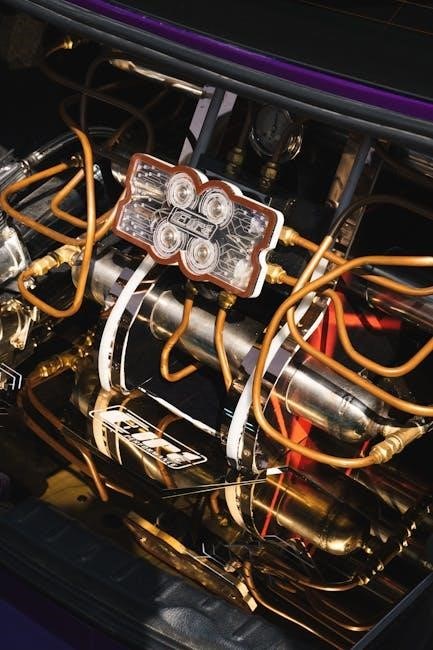
Russell evaporators utilize crucial parts like coils, hot gas defrost systems, accumulators, and solenoid valves, all working in harmony for efficient refrigeration performance.
Evaporator Coils: Types and Materials
Russell evaporator coils are engineered for optimal heat transfer, available in diverse types to suit varied applications. Common configurations include air-cooled, liquid-cooled, and specialized designs for specific refrigerants. Materials predominantly feature copper tubing due to its excellent thermal conductivity and corrosion resistance. Aluminum fins are frequently bonded to the copper tubes, significantly increasing the surface area for enhanced heat exchange.
Coil face patterns—flat, staggered, or wavy—influence airflow and performance. The selection of coil material and design depends on factors like the operating temperature, refrigerant type, and environmental conditions. Russell prioritizes durable construction, ensuring longevity and reliable operation even in demanding environments. Proper coil maintenance, including regular cleaning, is crucial for sustaining peak efficiency and preventing performance degradation.
Hot Gas Defrost Systems
Russell evaporators frequently utilize hot gas defrost systems for efficient ice removal. This method introduces hot refrigerant gas into the evaporator coil, melting accumulated frost without requiring electric heaters. The process is controlled by a timer or pressure switch, initiating when frost buildup impacts evaporator capacity. Hot gas defrost is energy-efficient, transferring heat directly from the compressor rather than generating it electrically.
A solenoid valve directs hot gas to the evaporator, while another valve restricts refrigerant flow to the expansion device during the cycle. Proper system operation requires careful refrigerant charge verification and correct valve timing. Russell designs prioritize safety, incorporating features to prevent excessive coil temperatures. Regular inspection of the defrost cycle is vital for maintaining optimal evaporator performance and preventing system inefficiencies.
Accumulators and Their Function
Russell evaporator systems often incorporate accumulators, crucial components positioned between the evaporator and the compressor. Their primary function is to safeguard the compressor from liquid refrigerant slugging, a potentially damaging condition. Accumulators provide a reservoir for any remaining liquid refrigerant, allowing it to vaporize before returning to the compressor.
These devices are particularly important in systems with thermostatic expansion valves (TXVs) or automatic expansion valves, where liquid carryover can occur. Russell HEAT EXCHANGER-ACCUMULATOR designs optimize refrigerant flow and ensure efficient vapor-liquid separation. Regular inspection of the accumulator for liquid refrigerant presence indicates potential issues with the expansion valve or system charge. Proper accumulator function is essential for compressor longevity and system reliability.
Solenoid Valves in Evaporator Systems
Solenoid valves play a critical role in Russell evaporator systems, primarily controlling refrigerant flow to individual evaporators. A key advancement involves a given hot gas line and solenoid valve now servicing an entire evaporator group, rather than a single unit. This design enhances system efficiency and simplifies control strategies.
These valves are electrically operated, opening or closing based on a control signal, typically from a temperature controller or defrost timer. They are integral to hot gas defrost cycles, directing hot refrigerant to the evaporator for ice removal. Proper solenoid valve operation ensures precise temperature control and efficient defrosting. Regular checks for proper opening and closing are vital for optimal system performance and energy conservation.
Russell Evaporator Manual: Installation Procedures
Proper unit placement, refrigerant line connections, electrical wiring adhering to safety codes, and careful hot gas line installation are crucial for optimal performance.
Proper Unit Placement
Strategic placement of the Russell evaporator is paramount for efficient operation and longevity. Ensure adequate clearance around the unit for proper airflow, facilitating effective heat exchange. Avoid obstructions like boxes or tightly packed materials that could restrict ventilation. Consider the ambient temperature and humidity levels of the installation environment, as these factors directly impact cooling capacity.
Furthermore, prioritize accessibility for routine maintenance and potential servicing. The unit should be positioned to allow easy access to components like coils, fans, and electrical connections; Proper support is also essential; ensure the mounting surface can bear the unit’s weight, preventing vibrations and potential damage. Finally, always adhere to local building codes and regulations regarding equipment placement.
Refrigerant Line Connections
Secure and leak-proof refrigerant line connections are critical for optimal Russell evaporator performance and environmental responsibility. Before connecting, thoroughly purge the lines to remove any non-condensables or debris. Utilize the correct brazing materials and techniques, ensuring a clean and consistent joint. Always pressure test all connections with nitrogen after brazing to verify integrity before introducing refrigerant.
Proper sizing of refrigerant lines is also essential; undersized lines can restrict flow, while oversized lines can lead to inefficient operation. Follow Russell’s specifications for line diameters based on the unit’s capacity and refrigerant type. Insulate suction lines to prevent heat gain and minimize condensation. Double-check all fittings and connections for tightness and proper sealing before system startup.
Electrical Wiring and Safety
Prior to any electrical work, disconnect all power sources to the Russell evaporator unit. Verify complete power shutoff with a reliable voltage tester. All wiring must comply with local and national electrical codes. Use appropriately sized wiring and overcurrent protection devices as specified on the unit’s nameplate. Ensure proper grounding to prevent electrical shock hazards.
Carefully inspect all wiring connections for tightness and insulation integrity. Avoid any exposed wires or damaged insulation. Utilize weatherproof enclosures for outdoor connections. When working with electrical components, always wear appropriate personal protective equipment (PPE), including insulated gloves and safety glasses. Incorrect wiring can cause equipment damage, fire hazards, or personal injury – proceed with caution.
Hot Gas Line Installation
Proper hot gas line installation is crucial for efficient defrosting and system performance. Ensure the hot gas line is adequately sized to prevent pressure drop and maintain sufficient defrosting temperatures. Insulate the hot gas line to minimize heat loss and prevent condensation. A given hot gas line and solenoid valve now services its evaporator group, instead of just one evaporator.
Securely support the hot gas line to prevent strain on the evaporator connections. Avoid sharp bends or kinks in the line. When connecting to the evaporator, use appropriate fittings and ensure a leak-tight seal. Exercise extreme caution when working with hot gas lines, as they carry high-temperature refrigerant. Always follow established refrigerant handling procedures and safety guidelines.

Russell Evaporator Manual: Service and Maintenance
Regular checks, troubleshooting, defrost cycle analysis, and refrigerant charge verification are essential for optimal performance and longevity of your Russell evaporator systems.
Routine Maintenance Checks
Consistent preventative maintenance is crucial for ensuring the reliable operation of your Russell evaporator. Regularly inspect evaporator coils for dirt and debris, as buildup reduces efficiency. Verify proper airflow across the coils; obstructions hinder heat transfer. Check refrigerant lines for leaks, indicated by oil residue, and address them promptly.
Examine fan motors for smooth operation and lubrication needs. Inspect and tighten electrical connections to prevent hazards and ensure consistent power. Confirm the functionality of defrost systems, including timers and hot gas valves. Document all maintenance activities, including dates and findings, for a comprehensive service history. Prioritize safety by disconnecting power before performing any maintenance tasks. Following these steps will maximize the lifespan and performance of your Russell equipment.
Troubleshooting Common Issues
When facing operational difficulties with your Russell evaporator, begin with a systematic approach. Reduced cooling capacity often stems from dirty coils or refrigerant leaks – verify coil cleanliness and check for oil residue on lines. Icing issues frequently indicate defrost system malfunctions; inspect timers, hot gas valves, and sensors.
Fan motor failures present as a lack of airflow; check for obstructions and electrical issues. Unusual noises could signal bearing problems or loose components. Always consult the unit’s wiring diagram before addressing electrical concerns. Remember to verify refrigerant charge levels as improper charge impacts performance. Document all troubleshooting steps and findings for future reference and potential service calls.
Defrost Cycle Troubleshooting
Effective defrost cycle operation is crucial for Russell evaporator performance. If ice buildup occurs, first check the defrost timer for proper settings and functionality. A faulty hot gas solenoid valve prevents hot gas from reaching the evaporator, hindering defrosting. Verify the valve receives power during the defrost cycle.
Inspect defrost termination sensors; a malfunctioning sensor can cause premature or prolonged defrost cycles. Confirm proper operation of the hot gas line, ensuring no blockages exist. Low refrigerant charge can also contribute to icing issues. Thoroughly examine all components and wiring connections. Document all tests and repairs for accurate service records and future diagnostics.
Refrigerant Charge Verification
Accurate refrigerant charge is paramount for optimal Russell evaporator efficiency and longevity. Begin by verifying the system’s nameplate data for the correct refrigerant type and charge weight. Utilize a calibrated manifold gauge set to measure suction and discharge pressures, comparing them to the unit’s performance charts.
Superheat and subcooling measurements are essential for fine-tuning the charge. Adjust the refrigerant charge incrementally, observing the impact on system performance. Overcharging or undercharging can lead to reduced capacity, increased energy consumption, and potential compressor damage. Always recover any refrigerant before making adjustments, adhering to EPA regulations and safety protocols.
Russell Evaporator Manual: Specific Model Codes
Decoding model codes, like HTPG condensing unit and evaporator options, is crucial for identifying specifications and understanding Russell engineering manual details effectively.
HTPG Condensing Unit & Evaporator Option Codes
Understanding HTPG condensing unit and evaporator option codes is paramount for accurate parts ordering and system diagnosis. These codes, detailed within Russell’s engineering manuals, specify critical component configurations. They delineate features like coil materials, fan motor types, defrost methods (including hot gas systems), and electrical characteristics.
Properly interpreting these codes ensures compatibility and avoids costly errors during service or replacement. The codes often indicate specific accumulator sizes and solenoid valve configurations, impacting system performance. Referencing the latest Russell documentation is essential, as codes can evolve with product updates. A thorough grasp of these codes streamlines maintenance and maximizes system efficiency.
Decoding Russell Engineering Manual Specifications
Russell Engineering Manuals contain detailed specifications crucial for effective service and maintenance. Decoding these requires understanding their structured format. Key parameters include refrigerant types, operating temperature ranges, capacity ratings (BTU/hr), and electrical supply requirements. Pay close attention to coil dimensions and fin spacing, impacting airflow and heat transfer.
The manuals also outline component specifications – fan motors, compressors, and control systems – vital for accurate replacements. Understanding abbreviations and symbols used throughout the documentation is essential. Proper interpretation ensures correct parts selection and adherence to Russell’s design parameters, maximizing system performance and longevity. Always consult the latest revision of the manual.

Advanced Service Techniques
Advanced techniques encompass ECM testing, flood valve adjustments, and High Sierra service information, enhancing diagnostic capabilities for Russell evaporator systems.
ECM Test Service Tips
When performing ECM (Electronically Commutated Motor) tests on Russell evaporators, ensure proper voltage supply and confirm wiring connections are secure. Begin by verifying the ECM’s speed control signal; inconsistencies may indicate control board issues. Utilize a multimeter to assess motor winding resistance, comparing readings to factory specifications.
Observe the ECM during operation, listening for unusual noises or vibrations that could signal bearing failure or internal damage. Carefully inspect the ECM’s capacitor for bulging or leakage, as this often leads to performance degradation. Remember to document all test results and observations for accurate troubleshooting and future reference. Prioritize safety by disconnecting power before any physical inspection or component replacement.
Flood Valve Head Master Addendum
This addendum addresses critical updates regarding Russell evaporator flood valve head functionality. A key change involves a given hot gas line and solenoid valve now servicing an entire evaporator group, rather than a single evaporator. This enhancement improves system efficiency and simplifies maintenance procedures.
Inspect the Russell HEAT EXCHANGER-ACCUMULATOR regularly for proper operation. Ensure the flood valve head is correctly seated and free from debris. Verify the solenoid valve’s responsiveness to control signals. Proper installation and maintenance of these components are crucial for optimal evaporator performance and preventing refrigerant flooding. Always consult the complete Russell refrigeration manual for detailed diagrams and specifications before performing any service work.
High Sierra Service Information
Russell’s High Sierra line represents advanced evaporator technology, demanding specific service protocols; Technicians should familiarize themselves with the unique design features of these units before attempting any repairs. Accessing the complete Russell refrigeration manual is paramount for understanding system configurations and troubleshooting procedures.
Pay close attention to refrigerant charge verification, as High Sierra evaporators are sensitive to improper levels. Regularly inspect the evaporator coils for cleanliness and ensure proper airflow. Utilize ECM test service tips to diagnose and resolve electrical component issues efficiently. Remember that a correctly functioning hot gas defrost system is vital for maintaining optimal performance in these high-efficiency units. Prioritize safety and adhere to all refrigerant handling procedures.
Safety Precautions
Russell systems require strict adherence to electrical safety guidelines and proper refrigerant handling procedures, especially when working with potentially hazardous hot gas lines.
Electrical Safety Guidelines
Prior to any electrical work on Russell evaporators, always disconnect power at the main breaker to prevent accidental shock or equipment damage. Verify the power is off using a reliable voltage tester before proceeding with any wiring inspections or repairs. Ensure all electrical connections are tight and properly grounded, adhering to local and national electrical codes.
Inspect wiring for any signs of damage, such as frayed insulation or loose connections, and replace any compromised components immediately. Never work on live electrical circuits; lockout/tagout procedures are essential. Qualified personnel should perform all electrical work, possessing the necessary training and certifications. Always consult the unit’s wiring diagram before making any changes or adjustments to the electrical system. Remember, electrical safety is paramount when servicing Russell refrigeration equipment.
Refrigerant Handling Procedures
Proper refrigerant handling is crucial when servicing Russell evaporators, adhering to EPA regulations and safety protocols. Always recover refrigerant using approved recovery equipment before disconnecting any refrigerant lines. Never vent refrigerant into the atmosphere; it’s illegal and environmentally damaging. Ensure you have the correct type of refrigerant for the specific Russell unit, as mixing refrigerants can cause system failure.
Wear appropriate personal protective equipment (PPE), including gloves and eye protection, when handling refrigerant. Properly label all refrigerant containers and store them in a well-ventilated area. Follow all manufacturer’s instructions for charging and evacuating the system. Dispose of used refrigerant and contaminated materials responsibly, following local regulations. Certification is required to handle refrigerants; ensure technicians are properly certified.
Working with Hot Gas Lines
Caution is paramount when working with hot gas lines in Russell evaporator systems, as they carry high-temperature, high-pressure refrigerant. Always ensure the system is fully de-pressurized and the hot gas solenoid valve is closed before attempting any work on these lines. Wear appropriate PPE, including heat-resistant gloves and eye protection, to prevent burns.
Inspect hot gas lines for damage, such as kinks or corrosion, before and during service. Securely support the lines to prevent stress and potential leaks. When brazing or soldering, use appropriate techniques and materials to avoid weakening the lines. A given hot gas line and solenoid valve now services its evaporator group. Be mindful of potential heat transfer to surrounding components;
Resources and Documentation
Access Russell Refrigeration manuals online for detailed specifications and troubleshooting. Find replacement parts through authorized distributors and contact Russell Service Support for assistance.
Accessing Russell Refrigeration Manuals
Locating the correct Russell Refrigeration manual is crucial for proper installation, maintenance, and troubleshooting of your evaporator systems. While a centralized online database isn’t explicitly mentioned, accessing these resources generally involves contacting Russell Service Support directly or visiting websites of authorized distributors. These distributors often host downloadable PDF versions of the manuals for their specific product lines.
Furthermore, the provided text indicates that the manuals offer a comprehensive overview of Russell refrigeration products, including detailed guidelines for calculating refrigeration loads and specifications for various unit cooler and condensing unit models. Remember to have your specific model number readily available when requesting a manual to ensure you receive the correct documentation for your equipment. Proper documentation ensures safe and efficient operation.
Finding Replacement Parts
Securing genuine Russell Refrigeration replacement parts is essential for maintaining the performance and longevity of your evaporator systems. The provided information points towards contacting Russell Service Support as a primary resource for locating the correct components. Authorized distributors also represent a reliable avenue for sourcing parts, often maintaining an inventory of commonly requested items.
When ordering, having the precise model number of your unit and the specific part number (if known) is critical. Detailed parts lists are typically included within the Russell Refrigeration manuals, aiding in accurate identification. Utilizing genuine Russell parts ensures compatibility and adherence to original equipment specifications, safeguarding the integrity of your refrigeration system and preventing potential issues.
Contacting Russell Service Support
For direct assistance with your Russell evaporator, reaching out to their dedicated Service Support team is highly recommended. They possess in-depth knowledge of their product lines and can provide expert guidance on troubleshooting, repairs, and parts identification. Accessing Russell Refrigeration manuals is a crucial first step, often containing contact details for regional support centers.
When contacting support, be prepared to provide your unit’s model number, serial number, and a detailed description of the issue you are experiencing. Clear communication will expedite the process and ensure you receive the most effective assistance. Russell’s support team can also clarify specifications found within the Russell Engineering Manual, ensuring accurate diagnosis and resolution.